
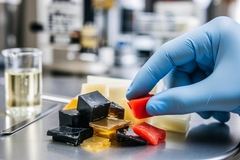
As industries evolved, the demand for durable, flexible, and cost-effective materials has skyrocketed. Enter synthetic rubber compounds, a game-changing innovation that has transformed manufacturing processes across the globe. For businesses in need of customized solutions, aligning with a competent partner is crucial. As a leading rubber manufacturer in Minneapolis, MN, Hiawatha Rubber offers a myriad of services to create tailor-made rubber products. This blog post will delve into synthetic rubber compounds, exploring their advantages, various types, applications, and how a partnership with an experienced provider can elevate your business.
What Are Synthetic Rubber Compounds?
Synthetic rubber compounds are composed of engineered polymers designed to mimic the properties of natural rubber while providing additional benefits. They are widely recognized for their durability, elasticity, resistance to heat and chemicals, and versatility in various applications. Unlike natural rubber, which is derived from the sap of rubber trees, synthetic rubber is produced through the polymerization of petrochemicals. This process allows for precise control over the chemical structure, creating materials that can be optimized for specific purposes.
Leading Types of Synthetic Rubber Compounds
Within the realm of synthetic rubber, numerous variations exist, each with distinct properties and uses. Some of the most prevalent types include:
1. Styrene-Butadiene Rubber (SBR)
SBR is among the most versatile and commonly used synthetic rubbers. Known for its strong abrasion resistance and long-lasting performance, SBR is ideal for products like tires, seals, and gaskets. Its widespread applicability makes it a staple in numerous industries.
2. Nitrile Butadiene Rubber (NBR)
NBR is highly resistant to oils, fuels, and chemicals, making it the material of choice for oil seals and hoses. Its robustness in specific environments underscores its indispensability in the automotive and aviation sectors.
3. Ethylene Propylene Diene Monomer (EPDM)
EPDM rubber offers excellent weatherability, UV resistance, and electrical insulating properties. These characteristics make it suitable for outdoor applications, such as roofing membranes and automotive weatherstripping.
Essential Benefits of Synthetic Rubber Compounds
One of the most remarkable aspects of synthetic rubber compounds is their adaptability to meet diverse industrial requirements. Here are a few primary advantages:
- Versatility: Synthetic rubber compounds can be engineered to exhibit specific properties, making them suitable for an array of applications across different industries.
- Cost-effectiveness: With synthetic rubber, production costs can be lowered without compromising quality, offering an economical alternative to natural rubber.
- Durability: These compounds are designed to withstand harsh conditions, including extreme temperatures, oxidative environments, and physical stress.
- Customization: Synthetic rubbers can be tailored to meet precise specifications, ensuring businesses receive materials with the exact performance needed.
Industrial Applications of Synthetic Rubber Compounds
The flexibility of synthetic rubber compounds has enabled their infiltration into countless industrial applications. From automotive to medical devices, their usage is immensely diverse.
Automotive Industry
The automotive sector has immensely benefited from synthetic rubber due to its mechanical strength and heat resistance. Shock absorbers, engine mounts, hoses, and belts are just a few components where synthetic rubber plays a crucial role. Proficiency in rubber molding in Minneapolis, MN, allows manufacturers like us to offer high-quality automotive parts that enhance vehicle performance and safety.
Industrial Manufacturing
In industrial settings, synthetic rubber compounds ensure machinery operates efficiently, biting into preventive maintenance costs. The availability of customized options, like specific hardness and elasticity, ensures these compounds meet specialized industry demands effectively.
Healthcare and Medical Applications
Synthetic rubber is paramount in the healthcare sector due to its biocompatibility and adaptability. Medical devices like gloves, seals, and tubing are frequently manufactured from synthetic rubber compounds to ensure they are safe for human contact and flexible enough to support complex procedures.
Challenges in Synthetic Rubber Production and Solutions
Despite the numerous advantages, producing synthetic rubber compounds does come with challenges. These issues range from environmental concerns to maintaining consistency in production quality. Ensuring the highest standards requires expertise and the latest technology, both of which are integral to proficient manufacturers. A holistic approach, integrating advancements in technology and sustainable practices, aids in overcoming these hurdles.
Environmental Considerations
The production of synthetic rubber involves petrochemical derivatives, raising significant environmental concerns. However, many manufacturers have adopted greener practices, including recycling processes and waste reduction efforts. By implementing eco-friendly innovations, such as biobased synthesis techniques, companies like us are leading the way toward an environmentally conscious future.
Consistency in Quality
Maintaining uniformity in production is critical for industries relying on synthetic rubber for essential components. Advanced quality control systems and rigorous testing protocols ensure each batch of synthetic rubber meets the highest standards, providing customers with reliable products time after time.
The Future of Synthetic Rubber Compounds
As industries continue to innovate, synthetic rubber compounds will undoubtedly see further advancements. The ongoing trend toward sustainability is steering research into biodegradable alternatives and the utilization of renewable resources. Furthermore, developments in technology promise to enhance the precision of synthetic compound manufacturing, offering materials that cater to even more specific requirements.
Why Choose Hiawatha Rubber for Your Rubber Needs?
For those seeking to harness the advantages of synthetic rubber compounds, partnering with a seasoned expert can make a substantial difference. At Hiawatha Rubber, we leverage our expertise in rubber grinding to deliver top-tier custom solutions that meet diverse industrial needs in Minneapolis, MN. Our commitment to quality, innovation, and customer satisfaction distinguishes us as leaders in the field.
Are you ready to begin or enhance your journey with synthetic rubber compounds? Whether you're looking for unparalleled performance, customization, or cost-efficiency, we are here to assist in transforming your industrial aspirations into reality. Visit our website or contact us today to explore how we can fulfill your specific requirements with our high-quality rubber solutions.