
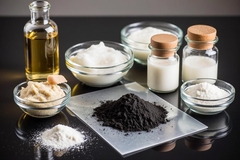
In the bustling world of industrial production, rubber stands out as a versatile material essential to many sectors. The secret behind rubber's adaptability lies in the intricate compounds used in its manufacturing process. How are compounds used in rubber manufacturing? This question might intrigue many, especially those involved in rubber manufacturing in Minneapolis, where innovation meets traditional craftsmanship. Understanding the composition and application of these compounds is crucial for industries aiming for precision and durability in their products.
Rubber manufacturing involves the transformation of raw materials into products used in everything from automotive parts to household items. The compounds play a pivotal role in defining the properties and functionality of rubber products. This article will guide you through the journey of how compounds are used in rubber manufacturing, exploring their impact on quality, performance, and durability. We'll also touch on how Hiawatha Rubber, a leader in the industry, leverages these compounds to deliver excellence in their services.
The Science Behind Rubber Compounds
At its core, rubber manufacturing relies on a delicate balance of chemistry. Compounds are the heart and soul of this process, combining natural or synthetic rubber with additives to achieve specific attributes. These additives include fillers such as carbon black, plasticizers, curing agents, and stabilizers, all of which play distinct roles. For example, fillers can enhance the strength and resistance of rubber, making it suitable for heavy-duty applications. Meanwhile, plasticizers add flexibility, ensuring the rubber remains pliable under different conditions.
Curing agents are particularly vital as they facilitate the vulcanization process. Vulcanization is a method of treating rubber with sulfur or other curatives to improve its elasticity and strength. Without this process, rubber would lack the resilience needed for most industrial uses. By understanding these chemical interactions, manufacturers can tweak formulations to meet specific client needs, ensuring that the final product performs optimally.
Tailoring Rubber for Various Applications
How are compounds used in rubber manufacturing to cater to diverse industries? The answer lies in customization. Each industry requires rubber with unique properties, and these needs dictate the choice of compounds. For instance, the automotive industry demands rubber that can withstand extreme temperatures and conditions. Here, the use of heat-resistant additives is crucial, ensuring components like gaskets and seals maintain their integrity throughout their lifecycle.
In contrast, the healthcare industry prioritizes rubber's hypoallergenic properties. Medical-grade rubber must be free from harmful substances, requiring compounds that ensure biocompatibility. This highlights the importance of precision in selecting and combining compounds - it's not just about what goes into the rubber, but what stays out.
For those in Minneapolis engaging in rubber mill operations, understanding the intricate needs of each sector can lead to innovations and improvements in product design. By staying informed about new compound developments, companies can remain competitive in a rapidly evolving market.
Challenges in Rubber Compound Formulation
While the benefits are clear, formulating rubber compounds is not without its challenges. Each additive alters the rubber's properties in complex ways. Achieving the right balance requires a deep understanding of chemistry, as well as the practical requirements of the end product. Too much of a particular compound can lead to undesirable effects, such as weakening the rubber or making it too rigid.
Environmental concerns also pose a significant challenge. As industries strive to reduce their carbon footprint, the pressure is on manufacturers to source sustainable and eco-friendly compounds. This means finding alternatives to traditional petrochemical-derived substances without compromising on performance. We are at the forefront of incorporating green chemistry principles, adapting formulations to meet both industry standards and environmental regulations.
Innovation in Rubber Compounding Techniques
With advancements in technology, rubber compounding has seen innovative strides. Techniques such as computer-aided design allow for precision in compound formulation, enabling manufacturers to simulate and tweak products before they hit the production line. This not only speeds up the process but also reduces waste and improves quality.
One promising area is the development of smart rubbers, which incorporate sensors and responsive compounds. These rubbers can change their properties in response to external stimuli, offering exciting applications in industries like aerospace and automotive. As innovation continues, those involved in rubber grinding in Minneapolis are likely to witness an expansion of possibilities and applications.
Hiawatha Rubber's Role in Advanced Rubber Manufacturing
For over six decades, we have been pioneering the transformation of rubber through innovative compounding techniques. Their commitment to quality and precision has made them a trusted name in the industry. By focusing on the unique needs of each client, they create tailored solutions that drive performance.
Understanding how compounds are used in rubber manufacturing allows us to deliver products that meet stringent standards. Whether it's through advanced rubber molding in Minneapolis or utilizing cutting-edge research to develop new compound blends, their dedication ensures that clients receive unparalleled expertise and results.
Embracing the Future of Rubber Manufacturing
As industries continue to demand more from materials, the role of compounds in rubber manufacturing becomes increasingly significant. The challenges are many, from balancing compound properties to ensuring environmental sustainability, but they also bring opportunities for innovation and improvement.
For those involved in rubber manufacturing or looking to explore new possibilities, partnering with a leader in the field offers a competitive edge. Our expertise positions them as an invaluable resource for businesses seeking to enhance their product offerings through superior manufacturing techniques.
If you're considering advancing your rubber products or have an innovative idea but lack the resources to realize it, we are ready to assist. With their profound industry knowledge, they can help navigate the complexities of rubber compounding and turn your vision into reality. Whether you need robust industrial components or precision healthcare solutions, our comprehensive services, including expert rubber grinding in Chicago, ensure that your products meet and exceed expectations. Reach out to them to discover how they can support your manufacturing needs with tailored expertise and cutting-edge solutions.