
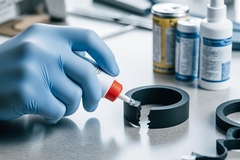
Rubber materials, known for their versatile applications ranging from industrial seals to automotive components, often require precise bonding techniques to perform optimally. When considering "what is the best adhesive for rubber," you must understand that choosing the right bond can make or break the functionality and longevity of your product. For a custom rubber manufacturer in Minneapolis like Hiawatha Rubber, the selection of adhesive is crucial in delivering high-quality, durable products that meet specific client needs. This post seeks to delve deeply into this topic, exploring different adhesive types, their applicability, and why choosing the right one is vital for varied rubber materials.
Adhesives play a pivotal role in manufacturing, particularly in the production and maintenance of rubber components. Each adhesive type has its pros and cons, making selection a tailored decision based on the rubber's chemical composition, the environmental conditions it will face, and the mechanical properties required from the bonded area. This blog will guide you through the decision-making process, helping you understand the nuances of different adhesives and why they may be suitable for your specific rubber application.
Understanding Rubber Adhesion: The Basics
Rubber, with its elasticity and resistance, presents unique bonding challenges. Adhesion to rubber is complicated by its polymer structure, surface energy, and potential contaminants that inhibit bonding. The key lies in matching the adhesive properties to the rubber's attributes. Whether dealing with natural rubber, silicone, nitrile, or EPDM, understanding the interaction between the adhesive and substrate is crucial.
Common Types of Adhesives for Rubber
When evaluating what is the best adhesive for rubber, the conversation typically revolves around four main types: cyanoacrylates, polyurethanes, epoxies, and contact adhesives. Each adhesive type serves a different purpose and interacts with rubber materials in distinct ways:
- Cyanoacrylate Adhesives: Often referred to as super glue, these adhesives are favored for their fast curing times. They work exceptionally well on rubber surfaces, making them ideal for quick repairs. Their rigid nature, however, can limit flexibility and impact resistance.
- Polyurethane Adhesives: Known for flexibility and durability, polyurethanes provide excellent resistance to environmental factors. They are often used in applications that require a strong bond with flexibility, such as in automotive and marine industries.
- Epoxy Adhesives: Comprising two components that need mixing before use, epoxies offer a robust bond suitable for situations where resistance to chemicals and moisture is imperative.
- Contact Adhesives: These are ideal for applications where a temporary position adjustment is not needed. They work by creating a bond on contact after applying to both surfaces and allowing it to dry partially.
Factors Influencing Adhesive Selection
Selecting what is the best adhesive for rubber materials involves evaluating several factors beyond just the adhesive's bonding strength. The main considerations include:
- Chemical Composition & Compatibility: An adhesive must be compatible with the specific type of rubber being used. Certain adhesives work better with non-polar rubbers, while others are ideal for polar ones.
- Environmental Conditions: Adhesive performance can vary dramatically with changes in temperature, exposure to moisture, or contact with chemicals, prompting the need for careful evaluation.
- Application Process: The method of application, whether automated or manual, influences the choice of adhesive. Ease of use and curing time are significant factors to consider.
- End-use Requirements: The final application of the rubber part - whether it needs flexibility, vibration damping, or resistance to specific elements - determines the adhesive type to be used.
Challenges in Rubber Adhesion
Adhesion challenges often stem from the surface characteristics of rubber. Low surface energy and the presence of mold-release agents can impede adhesion. Moreover, the need for primers or surface treatments to improve adhesion can add complexity to the manufacturing process. Understanding the best environmental conditions and correct adhesive usage is crucial to overcome these challenges.
How Hiawatha Rubber Leads in Adhesive Technology
We, situated in the heart of Minneapolis, exemplify innovation in using adhesives for rubber technologies. With our extensive experience in rubber molding in Minneapolis, we understand the intricacies of bonding techniques required to produce high-quality rubber products. Our approach involves meticulous testing and selection to ensure durability and performance are never compromised, whether dealing with standard rubber components or custom-made solutions.
Practical List of Considerations for Adhesive Application
When deciding on the best adhesive for your rubber material, consider:
- Surface Preparation: Ensure the rubber surface is cleaned and lightly abraded to improve adhesion.
- Adhesive Type: Match the adhesive properties with the rubber type and environmental conditions.
- Application Method: Choose the best dispensing system for consistent application.
- Curing Process: Monitor temperature and conditions for optimal curing.
This list serves as a guideline to streamline your adhesive selection and application process, helping you achieve optimal results in your manufacturing cycles.
Adhesive Application Techniques
Proper application techniques further ensure optimal bond strength and durability. Techniques such as spray application for contact adhesives or brush-on methods for epoxies are determined by project specifics. Ensuring even application and correct curing conditions are vital to effective adhesion. Attention to detail in the adhesive application can prevent common problems such as delamination and weak bonding.
The Future of Adhesives in Rubber Manufacturing
Innovations in adhesive technologies are continuously evolving to meet new challenges such as sustainability and increased performance demands. Advances like bio-based adhesives are gaining traction, offering eco-friendly alternatives without compromising on adhesive strength. As a leader in the industry, companies like Hiawatha Rubber are at the forefront of these technological developments, integrating sustainable practices without detracting from product performance and durability.
Ultimately, the question of ""what is the best adhesive for rubber"" is not merely about finding a universal solution. It involves a case-specific evaluation, marrying material science with practical application knowledge. The right adhesive enables the rubber to perform as intended, ensuring product integrity and customer satisfaction.
Your Partner in Rubber Solutions
Discover how our expertise can enhance your manufacturing processes, overcoming adhesion challenges with innovative solutions. With a steadfast commitment to quality and customer satisfaction, we offer extensive services that incorporate cutting-edge adhesive technologies. Whether you're dealing with rubber molding in Saint Paul or looking for comprehensive manufacturing solutions, we stand ready to meet your needs, delivering results that exceed standards and expectations. Contact us today to learn how we can power your next project with precision and reliability.