
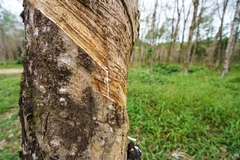
In the bustling world of global manufacturing, rubber occupies a unique place due to its versatile applications and robust production process. The question of "where is rubber manufactured" often arises in industry circles, as understanding the geographic spread of rubber manufacturing can have significant implications for businesses involved. From rubber manufacturing in Minneapolis to vast plantations in Southeast Asia, rubber continues to be a critical material for industries all over the world.
Rubber is an integral part of everyday life, from the soles of shoes to automotive tires and medical devices. In Minneapolis, rubber manufacturing plays a crucial role in supporting the local economy and supplying specialized products to various industries. This post delves into the major regions of rubber production, spotlighting both the natural and synthetic rubber industries, and unveils the nuances of where rubber is manufactured globally.
The Global Landscape of Rubber Manufacturing
Rubber production is spread across various continents, each with its unique contributions and specialties. Understanding the distribution and specializations in rubber manufacturing can greatly benefit businesses looking to optimize their supply chains or learning more about the market dynamics.
Southeast Asia: The Hub of Natural Rubber
Southeast Asia is at the heart of natural rubber production. Countries like Thailand, Indonesia, and Malaysia lead the global supply, contributing over 70% of the world's natural rubber. The region's tropical climate offers the ideal conditions for rubber trees, allowing for extensive plantations that span thousands of hectares.
These nations have honed their expertise in natural rubber processing. Products such as latex and smoked sheets are often derived here, serving as fundamental materials for industries such as automotive and healthcare. With investments in sustainable practices, Southeast Asia is poised to maintain its dominance in the natural rubber industry.
Synthetic Rubber in North America and Europe
The demand for synthetic rubber, known for its strength and versatility, is on the rise, particularly in North America and Europe. Regions in the United States, including Texas and Ohio, are significant players due to their well-established petrochemical industries. The synthetic rubber manufacturing process is heavily dependent on petrochemical products, which are more abundant and accessible in these industrial zones.
In Europe, countries like Germany and France have been frontrunners in developing more efficient and environmentally friendly synthetic rubber manufacturing practices. The European market is characterized by its innovation and stringent regulations ensuring sustainability and quality in production processes.
The Emerging Markets of Africa and South America
Africa and South America are gradually becoming noteworthy players in the rubber industry. Countries like Ivory Coast and Liberia have started to expand their natural rubber plantations. Similarly, Brazil and Guatemala focus on both natural rubber production and rubber processing industries like tire manufacturing.
The primary challenge for these regions lies in infrastructure and technological adaptation, but they offer untapped potential for investors looking to diversify and venture into new markets. Collaborative efforts with established rubber-producing countries are helping these regions overcome hurdles and enter the competitive landscape.
The Role of Innovation in Rubber Manufacturing
As the demand for rubber products continues to grow, so does the need for innovative production techniques. Technological advancements have played a pivotal role in enhancing the efficiency and sustainability of rubber manufacturing.
Sustainable Practices and Green Innovations
Modern rubber manufacturing is heavily focused on sustainability. From minimizing deforestation for new plantations to developing synthetic alternatives that reduce the reliance on crude oil, green innovations are shaping the future. Techniques such as rubber recycling and the use of biomass as an alternative energy source are gaining traction.
Moreover, companies like Hiawatha Rubber in Minneapolis are at the forefront of adopting practices that align with environmental goals. By leveraging local resources and expertise, they provide high-quality products while minimizing environmental impact, contributing positively to their communities.
The Impact of Automation and Technology
Automation has become increasingly influential in the rubber manufacturing sector. It enhances precision, reduces waste, and improves productivity. With the integration of robotics and AI in manufacturing plants, complex processes such as molding and curing are expedited and refined, resulting in superior product quality and reduced operational costs.
In Minneapolis and beyond, rubber mill advancements have led to more efficient production lines, meeting the demands of modern industries that emphasize speed and quality. By adopting cutting-edge technologies, manufacturers are better equipped to respond to global market shifts and customer needs.
The Challenges of Rubber Manufacturing
Despite its extensive benefits and contributions, the rubber industry faces several challenges that manufacturers must navigate to sustain growth and profitability.
Environmental and Ethical Concerns
Deforestation and labor exploitation in the rubber industry have been significant concerns. Many global players, including Southeast Asia's major producers, are now focusing on sustainable sourcing and fair trade initiatives to combat these issues. Transparent supply chains and ethical labor practices are becoming industry standards.
Market Fluctuations and Trade Dynamics
The rubber industry is also sensitive to global economic conditions. Trade wars, tariffs, and changes in demand due to technological advancements can significantly impact prices and production levels. By understanding where rubber is manufactured, businesses can better anticipate and mitigate these risks.
Technological and Regulatory Hurdles
Adapting to new technological advancements and adhering to stringent regulations can pose challenges. However, these also present opportunities for companies to innovate and differentiate themselves. By investing in research and development, manufacturers can lead in sustainability and efficiency, setting benchmarks for others in the industry.
Key Takeaways and Opportunities with Hiawatha Rubber
In the ever-evolving landscape of rubber manufacturing, understanding where rubber is manufactured globally can open new avenues and partnerships. The sector encompasses a variety of regions, each with distinct expertise in either natural or synthetic rubber production.
For companies like Hiawatha Rubber, staying ahead means embracing sustainability, innovation, and efficiency. By leveraging local resources and partnering with emerging markets, businesses can expand their reach and impact. Whether it's rubber molding in Minneapolis or improvements in supply chain management elsewhere, the potential is vast.
If you're seeking tailored rubber solutions, consider partnering with us who prioritize excellence and innovative practices. We offer the expertise and commitment to guide you through complex industry challenges, providing products that meet your specific needs and champion quality. Whether you are in Minneapolis or other key industrial hubs, our services connect global insights with local excellence. Explore the opportunities that a collaboration with Hiawatha Rubber can bring to your manufacturing processes.